
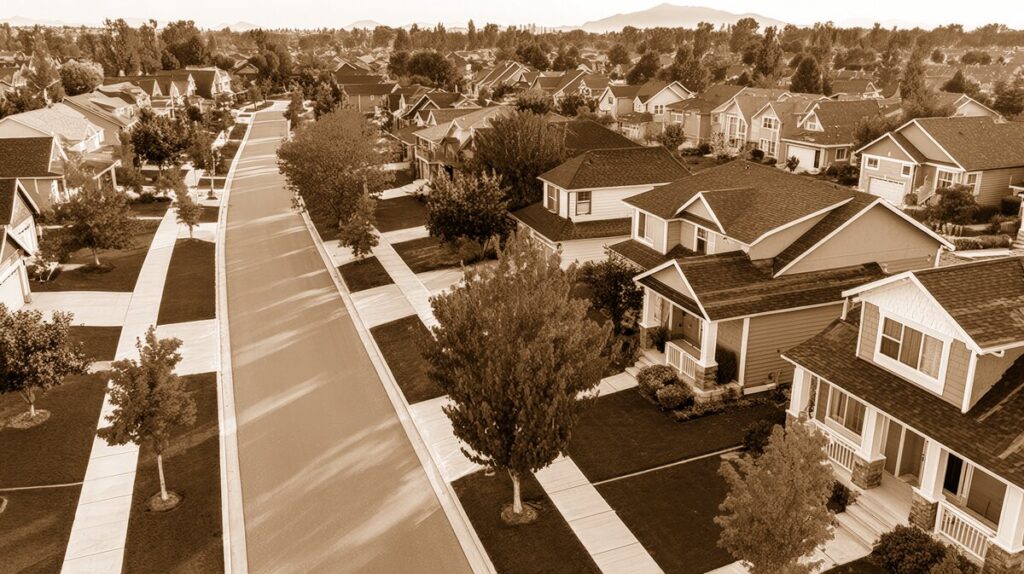
Nestled in the heart of Irving, TX, Bridlewood is more than just a neighborhood—it’s a living tapestry of history, community, and quiet charm. For those who call it home, Bridlewood is a place where past and present intersect; where shady lanes and friendly faces are as common as the gentle hum of a Texas summer evening. If you’ve ever wondered about the roots and evolution of this beloved Irving enclave, join me in exploring the rich heritage of Bridlewood.
Origins: From Prairie Land to a Flourishing Neighborhood
Long before Bridlewood’s tidy streets and welcoming homes, this area of northwest Irving was a rolling expanse of prairie grass, dotted with wildflowers and the occasional oak. In the post-war years, as Irving began to expand outward from its central core, landowners saw new opportunities to shape burgeoning communities.
Bridlewood took root in the 1970s, part of a wave of thoughtfully planned neighborhoods developed to meet the needs of growing families seeking a peaceful, suburban life with easy access to Dallas and other parts of the Metroplex. The area was chosen for its proximity to schools, its easygoing topography, and its potential for creating value while preserving a slice of natural beauty.
The Name: A Nod to Equestrian Traditions
The name “Bridlewood” hints at the area’s equestrian past. In the mid-20th century, much of northwest Irving—before houses lined the streets—was ranchland and open pasture. Horses were a familiar sight, and riding was a favorite pastime for landowners and children alike. The developers, recognizing this heritage, selected the name “Bridlewood”—bridle being the headgear used to control a horse—as a tribute to the area’s roots. Even today, street names like Bridlewood Drive and Saddle Court echo this beloved history.
Historical Milestones
- Late 1970s: Initial phases of Bridlewood are laid out, with wide lots and curving streets designed to mimic the natural flow of the land. Early construction primarily focused around Bridlewood Drive, Honeywood Lane, and Hickory Hollow Lane.
- 1980s: As Irving’s population surged, Bridlewood saw an influx of new residents. The neighborhood association was established, creating a strong sense of community and advocacy for local improvement.
- 1990s: The Bridlewood area began to modernize, bringing in updated utilities, street lighting, and improved landscaping, while preserving the trees that had shaded the land for generations.
- 2000s: The neighborhood continued to evolve as young families moved in, and longtime residents invested in renovations and home improvements, giving Bridlewood a blend of classic and contemporary character.
Notable Landmarks and Institutions
While Bridlewood itself is a quiet, residential area, it’s surrounded by landmarks and institutions that tell the story of Irving’s development:
- Bridlewood Park: Located at the heart of the neighborhood, this green oasis offers a playground, walking trails, and picnic areas shaded by mature pecan and oak trees. It’s a natural gathering place for both organized events and impromptu get-togethers.
- Nearby MacArthur High School: Although technically just outside Bridlewood’s boundaries, many neighborhood students have attended this respected Irving institution, which opened its doors in 1963 and has since become a hub for sports, arts, and community events.
- Northgate United Methodist Church: Sitting just a stone’s throw away on Northgate Drive, this long-standing church has played a role in supporting neighborhood service efforts, children’s camps, and holiday festivities for families from Bridlewood and beyond.
Evolving Community and Lasting Values
Bridlewood’s greatest asset—the true landmark—is its spirit of togetherness. Block parties in the early ’80s, alumni photo walls at the park pavillion, annual yard sales along Silverwood Lane—these traditions continue to foster neighborly bonds.
Over time, Bridlewood has managed to both modernize and maintain its original character. Newer homes and renovations blend with original ranch-style houses, and the many mature trees remain a constant, sheltering each new generation that settles in.
Residents take pride in:
- Well-kept lawns and gardens that harken to the area’s early pastoral appeal.
- Caring for local wildlife, such as cardinals, blue jays, and the occasional fox.
- Maintaining the old stone walls and mailboxes—hallmarks of the neighborhood’s first phase.
The Future: A Neighborhood That Welcomes All
Bridlewood’s appeal endures because it balances the best of Irving living: accessibility to highways and city amenities, strong schools nearby, and a setting where the pace is just a little gentler. As Irving continues to grow, Bridlewood remains a haven for those who value community, history, and quiet beauty.
If you walk beneath the arching branches along Bridlewood Drive or gather at one of the Sunday evening socials in the park, you’ll quickly understand: Bridlewood isn’t just a place on the map, but a network of friendships and memories stretching back through decades. This treasured neighborhood stands not just as a reminder of Irving’s past, but as a welcoming place to shape its future—one friendly wave at a time.